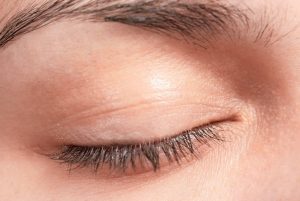
Blepharitis is a common and persistent inflammation of the eyelids. Symptoms include irritation, itching, and occasionally, a red eye. This condition frequently occurs in people who have a tendency toward oily skin, dandruff, or dry eyes. Blepharitis can begin in early childhood, producing granulated eyelids, and continue throughout life as a chronic condition, or develop later in life. Bacteria reside on the surface of everyone’s skin, but in certain individuals they thrive in the skin at the base of the eyelashes. The resulting irritation sometimes associated with overactivity of the nearby oil glands, causes dandruff-like scales and particles to form along the lashes and the eyelid margins. Sometimes the scaling or bacteria produce only minor irritation and itching, but in some they may cause redness, stinging or burning.
How is Blepharitis Treated?
Blepharitis is a condition that may not be cured, but can be controlled with a few simple daily measures:
Twice a day, wet a washcloth with very warm water (as not to burn yourself, though) wring it out and place over the closed eyelids for two to three minutes. Rewet the cloth as it cools. This will soften and loosen scales and debris. More importantly, it helps liquefy the oily secretions from the eyelids’ oil glands that help prevent the development of a chalazion, an inflamed lump in an eyelid oil gland.
With your finger covered with a thin washcloth, cotton swab, or commercial lint-free pad, gently scrub the base of the lashes for about 15 seconds per lid.
If an antibiotic ointment has been prescribed, apply a dab at the base of the lashes (usually at bedtime), using your fingertip or a cotton swab.
Simple, daily hygienic measures will minimize the following additional medications that might be needed to control blepharitis and its symptoms:
Over-the-counter artificial tears may be used to relieve symptoms of dry eye.
Steroid eye drops may be used short-term to decrease inflammation.
Antibiotic ointment or antibiotic pills may be used to decrease the bacterial content of the eyelids.
Medications alone are not sufficient; the application of warmth and detailed cleansing of the lashes daily is the key to controlling blepharitis.
About Your Blepharitis
Blepharitis is a very common inflammation of the eyelid edge. The eyelid has oil glands which produce the oily component of the tears. This is what helps keep your tears from evaporating. Your tears also have a mucus layer and a water layer, which are important for the proper lubrication of the eye. The oil, water, and mucus must all exist in a proper balance. Too much of one and not enough of the other can lead to dry, itchy, burning eyes and disturbances in vision.
The oil glands at the edge of the eyelid get backed up in many people. The bacteria which normally inhabit the skin then overgrow in this oil and produce compounds which are irritating to the eye. Patients with blepharitis often experience dry, itchy, burning eyes or the feeling that hair or sand is in the eye. Many times they complain of difficulty reading and words blurring together after several minutes of reading, much like patients with truly dry eyes.
There are several ways to keep blepharitis under control, although it cannot be cured entirely forever. It is more like dandruff, which comes and goes throughout life.
Warm soaks.
The simplest and most common treatment is to soak the eyelids with a warm, wet washcloth for several minutes in the morning and at night. Be sure the eyes are closed and that you re-warm the washcloth as it cools. One must hold the warm compress to the lids. If the water runs down your elbows and makes a mess, you know that you are doing it right. For some reason, splashing your face in the shower or swimming do not seem to work.
Lid scrubs.
For more difficult blepharitis, we may ask you to use either commercial eyelid scrubs or a diluted baby shampoo. With a cotton ball or gauze pad, wipe the eyelid edges, right at the base of the lashes. Do this to each eyelid for several seconds immediately prior to soaking.
Oral antibiotics.
We often use an oral antibiotic in the tetracycline family, such as doxycycline. Low doses of these drugs taken at bedtime can help to keep symptoms under control. Use of these antibiotics increases your sensitivity to the sun and tanning beds, and can lead to easy burning. If you are using these medicines, it is important to stay out of the sun, wear protective clothing, and/or use sunscreen. They can also lead to vaginal yeast infections in some women.
Steroid antibiotic ointments.
We may use steroid and/or antibiotic drops of ointment to help keep symptoms under control. It is best to limit the use of steroids, effective though they are because they can lead to cataracts and glaucoma. Still, sometimes symptoms cannot be relieved without them. If you have some of these medications left over from earlier treatment, please remember to only use them at your doctor’s recommendation.
Artificial tears.
Many times the use of artificial tears, in conjunction with the blepharitis treatment, helps to relieve symptoms.
Blepharitis
What is Blepharitis?
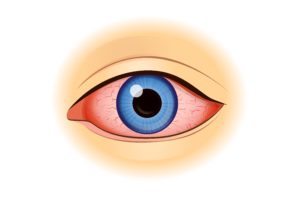
Blepharitis is a common and persistent inflammation of the eyelids. Symptoms include irritation, itching, and occasionally, a red eye. This condition frequently occurs in people who have a tendency toward oily skin, dandruff, or dry eyes. Blepharitis can begin in early childhood, producing granulated eyelids, and continue throughout life as a chronic condition, or develop later in life. Bacteria reside on the surface of everyone’s skin, but in certain individuals they thrive in the skin at the base of the eyelashes. The resulting irritation sometimes associated with overactivity of the nearby oil glands, causes dandruff-like scales and particles to form along the lashes and the eyelid margins. Sometimes the scaling or bacteria produce only minor irritation and itching, but in some they may cause redness, stinging or burning.
How is Blepharitis Treated?
Blepharitis is a condition that may not be cured, but can be controlled with a few simple daily measures:
Simple, daily hygienic measures will minimize the following additional medications that might be needed to control blepharitis and its symptoms:
Medications alone are not sufficient; the application of warmth and detailed cleansing of the lashes daily is the key to controlling blepharitis.
About Your Blepharitis
Blepharitis is a very common inflammation of the eyelid edge. The eyelid has oil glands which produce the oily component of the tears. This is what helps keep your tears from evaporating. Your tears also have a mucus layer and a water layer, which are important for the proper lubrication of the eye. The oil, water, and mucus must all exist in a proper balance. Too much of one and not enough of the other can lead to dry, itchy, burning eyes and disturbances in vision.
The oil glands at the edge of the eyelid get backed up in many people. The bacteria which normally inhabit the skin then overgrow in this oil and produce compounds which are irritating to the eye. Patients with blepharitis often experience dry, itchy, burning eyes or the feeling that hair or sand is in the eye. Many times they complain of difficulty reading and words blurring together after several minutes of reading, much like patients with truly dry eyes.
There are several ways to keep blepharitis under control, although it cannot be cured entirely forever. It is more like dandruff, which comes and goes throughout life.
Warm soaks.
The simplest and most common treatment is to soak the eyelids with a warm, wet washcloth for several minutes in the morning and at night. Be sure the eyes are closed and that you re-warm the washcloth as it cools. One must hold the warm compress to the lids. If the water runs down your elbows and makes a mess, you know that you are doing it right. For some reason, splashing your face in the shower or swimming do not seem to work.
Lid scrubs.
For more difficult blepharitis, we may ask you to use either commercial eyelid scrubs or a diluted baby shampoo. With a cotton ball or gauze pad, wipe the eyelid edges, right at the base of the lashes. Do this to each eyelid for several seconds immediately prior to soaking.
Oral antibiotics.
We often use an oral antibiotic in the tetracycline family, such as doxycycline. Low doses of these drugs taken at bedtime can help to keep symptoms under control. Use of these antibiotics increases your sensitivity to the sun and tanning beds, and can lead to easy burning. If you are using these medicines, it is important to stay out of the sun, wear protective clothing, and/or use sunscreen. They can also lead to vaginal yeast infections in some women.
Steroid antibiotic ointments.
We may use steroid and/or antibiotic drops of ointment to help keep symptoms under control. It is best to limit the use of steroids, effective though they are because they can lead to cataracts and glaucoma. Still, sometimes symptoms cannot be relieved without them. If you have some of these medications left over from earlier treatment, please remember to only use them at your doctor’s recommendation.
Artificial tears.
Many times the use of artificial tears, in conjunction with the blepharitis treatment, helps to relieve symptoms.